Kihn grew up in the Guilford area of Baltimore. In a 1979 interview with Creem Magazine he described himself “semi-lonely as an adolescent, and took up performing to meet girls.” After playing “M.T.A” at a Junior High assembly, he did. Kihn described 1964 as a turning point “you gotta judge people by like where they were when the Beatles came out. Everybody in my high school used to look like Willy DeVille, and when I went back to school that fall, everybody changed. Suddenly everybody looked like Brian Jones, with polka-dot shirts, checked pants… I had a pair of pin-stripes that I got that summer that without them I don’t think I could have lived.”
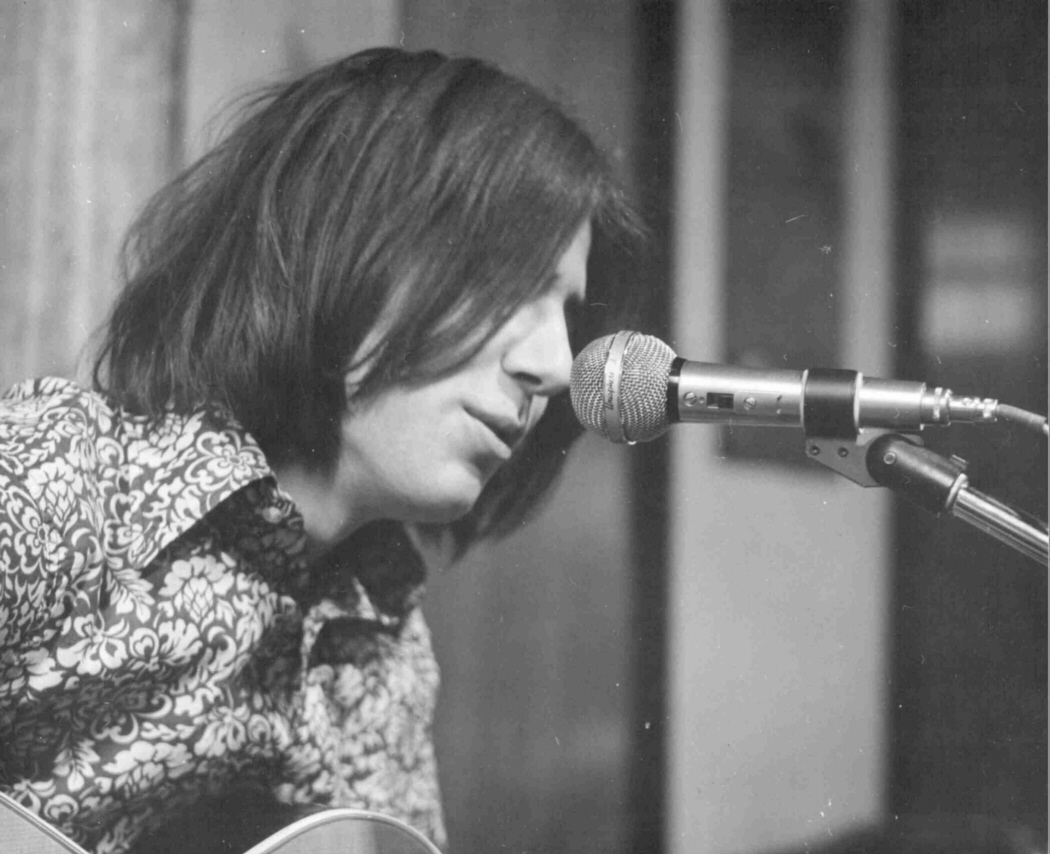
He began his musical career as a folk guitarist/vocalist playing original compositions and covers of artists such as Tim Buckley, Fred Neil, Bob Dylan, and others… His groups included Bloody Mary & The Black Plague Trolley Car Museum, Omar’s Sitar Band – a self-described folk-jazz-fusion duo with Jim Pentergrass on sitar, and Omar St. Groovey & the Snake Stompin’ Revue – a jug style band that included Michael Tearson (guitar), Tim Armacost (jug), Dave Taylor (guitar), and Rusty Prawl (dulcimer)…
Also known as ‘Omar,’ Kihn gained prominence with his acoustic sounds throughout the local coffee house circuit at venues such as The First Floor on The Alameda and 36th Streets, Patches 15 Below, the Ediface, Bluesette, Crossroads on Loch Raven at Woodbourne Avenue, Seed of Discovery, Oxymandian Ruins at 5700 Park Heights Avenue, The Winecellar, Sanity Inn, the Cub, Coffeegrounds, 1776, and Thunder’s Place. Seen at a benefit concert on November 29, 1969 at Trinity Church with Bette White, Michael Hunt, Warmth, and others, Park Plaza with Michael Hunt on New Years Eve 1969… Western Maryland College in Westminster, JHU, UMBC, American University (DC), The Sword in Stone (Boston), The Gaslight EastWest (Philadelphia), The Emergency (DC)…
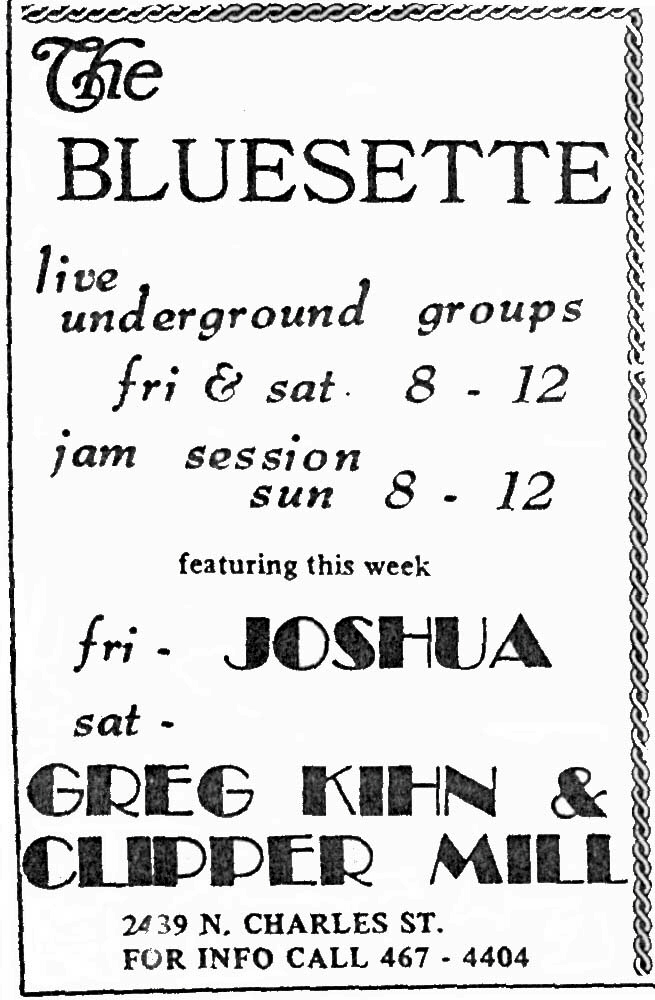
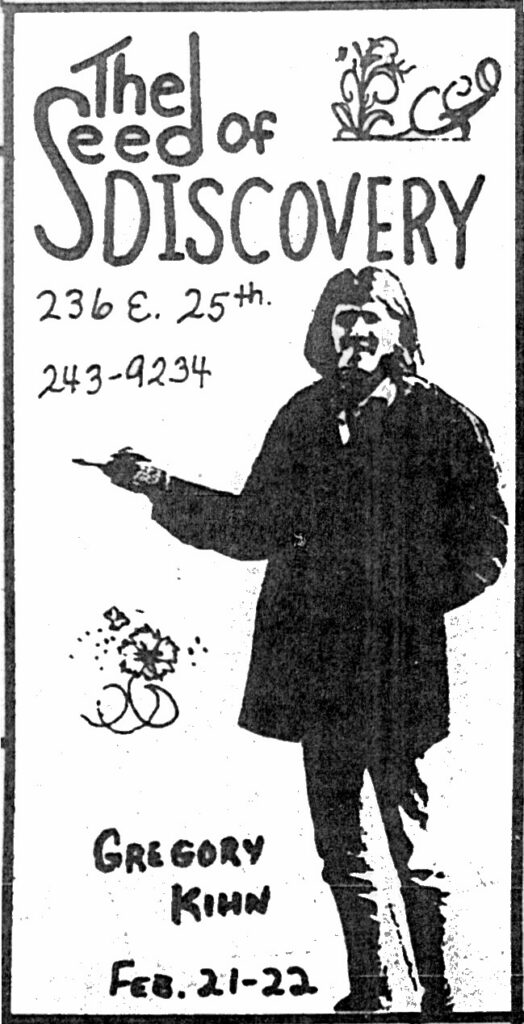
Kihn performed original music and his own arrangements of classic folk, blues, and folk-rock songs on his 12-string guitar. Musicians working with him included George Sadtler (guitar ex-Bette White’s Cap’n Bette’s Whiz Bang), Rusty Prawl (percussion), Hugh McCracken (guitar), Paul Harris (keyboards), Terry Plumeri (acoustic bass), Tracy Schwarz (fiddle), the group Clipper Mill…
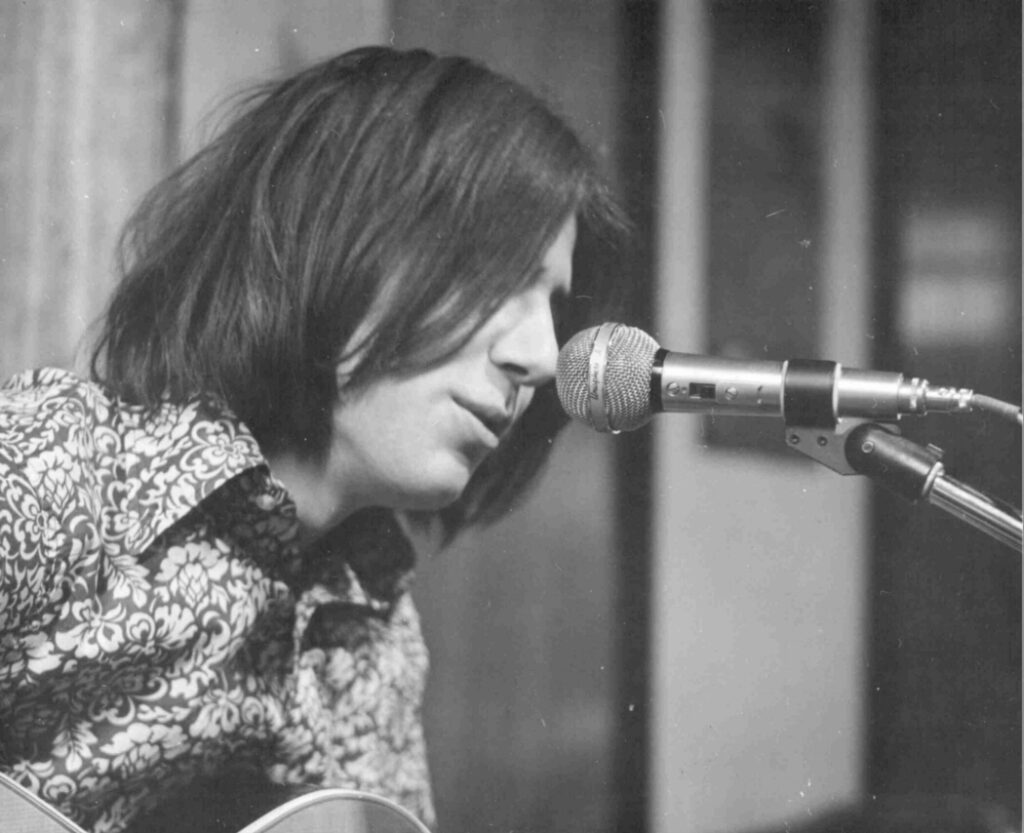
Early original songs of note included the 1967 song “Spin Away,” and his 1969 recording “Hanna in The Morning” that was chosen #1 song of the year in the Cetacean Folk Poll. The same poll voted Kihn #1 folk performer in Baltimore.
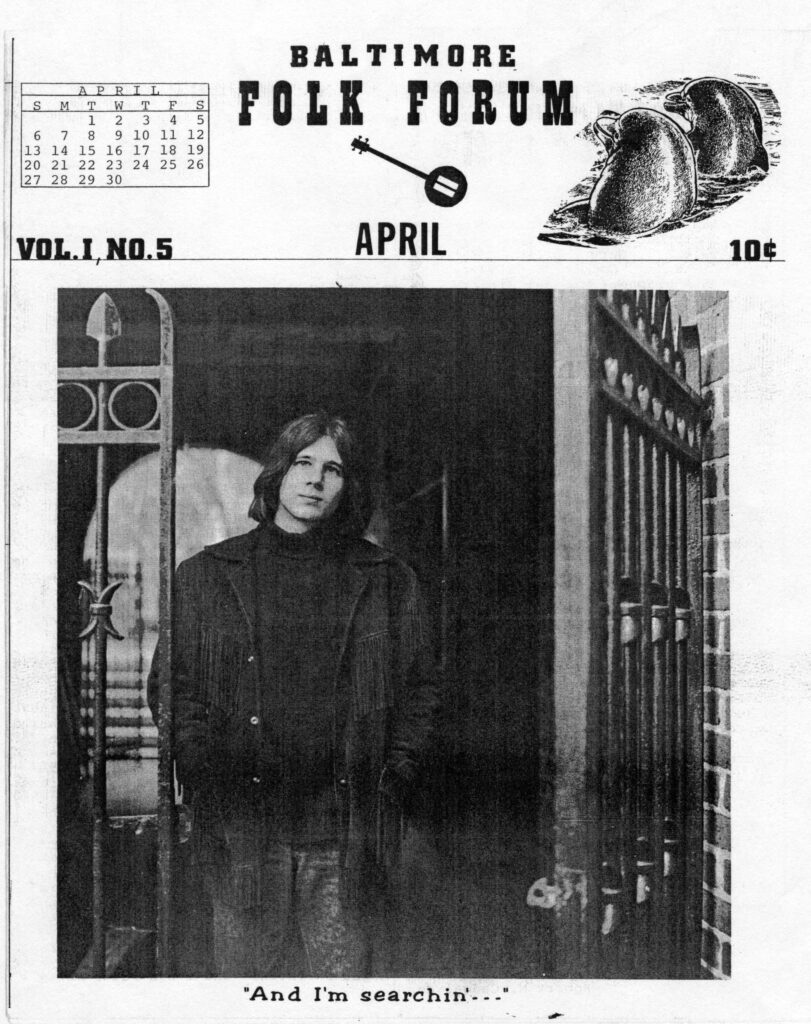
Kihn was offered recording contracts from ABC, MGM, and RCA. Greg finally signed with Oracle Records but after Oracle dragged its’ feet on an album release, manager Jack Heyrman obtained a release from the label.
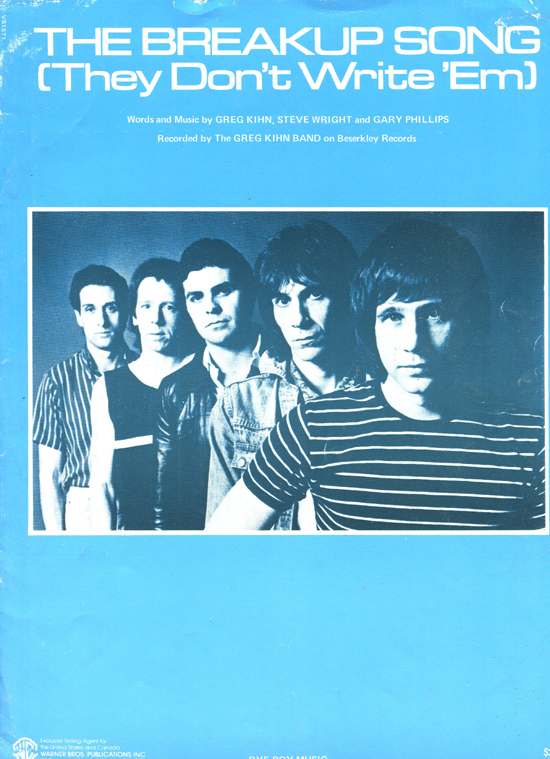
Greg relocated to San Francisco in 1971. He later resurfaced in the mid-’70s in Berkeley, California as the leader of his new wave band appropriately named the Greg Kihn Band with Dave Carpenter (guitar), Steve Wright (bass), and Larry Lynch (drums). He signed with Beserkley Records in 1974. Beserkley was founded by Baltimoreans Matthew Kaufman and Allan Mason. His first album Greg Kihn (Beserkley BZ-0046) was released in 1975. The band subsequently gained international recognition for their Beserkley hits “Roadrunner” in 1979, “The Break-up Song (They Don’t Write ‘Em)” in 1981, and “Jeopardy” in 1983. Kihn hit national Top-40 charts again in 1985 with “Lucky” (EMI-America).
Kihn’s ‘90s releases were produced by Jack Heyrman on Clean Cuts Records and include performances by local vocalist Aleta Greene.
In the ‘00s Kihn hosted the morning show on radio station KFOX, San Francisco / San Jose, California, and has authored numerous novels.
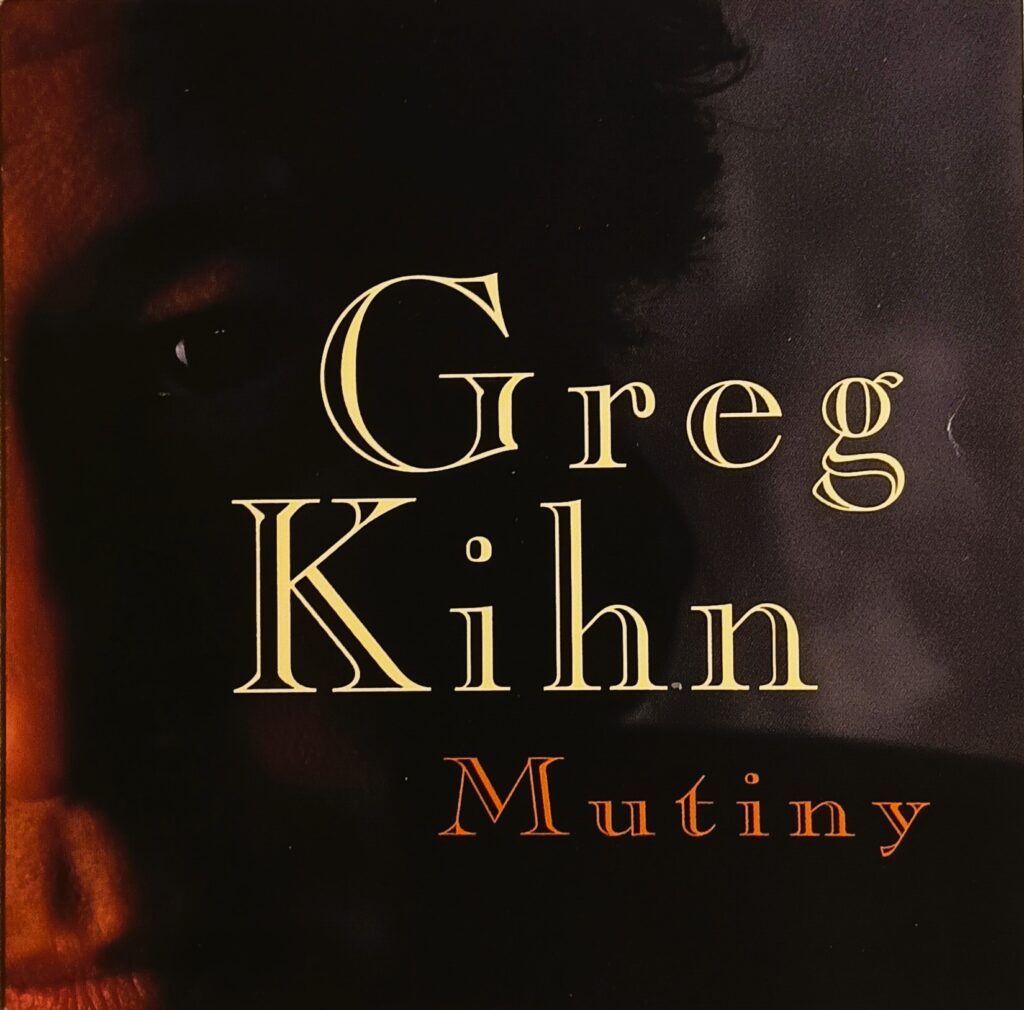
1994 (CD) Clean Cuts 714 Mutiny
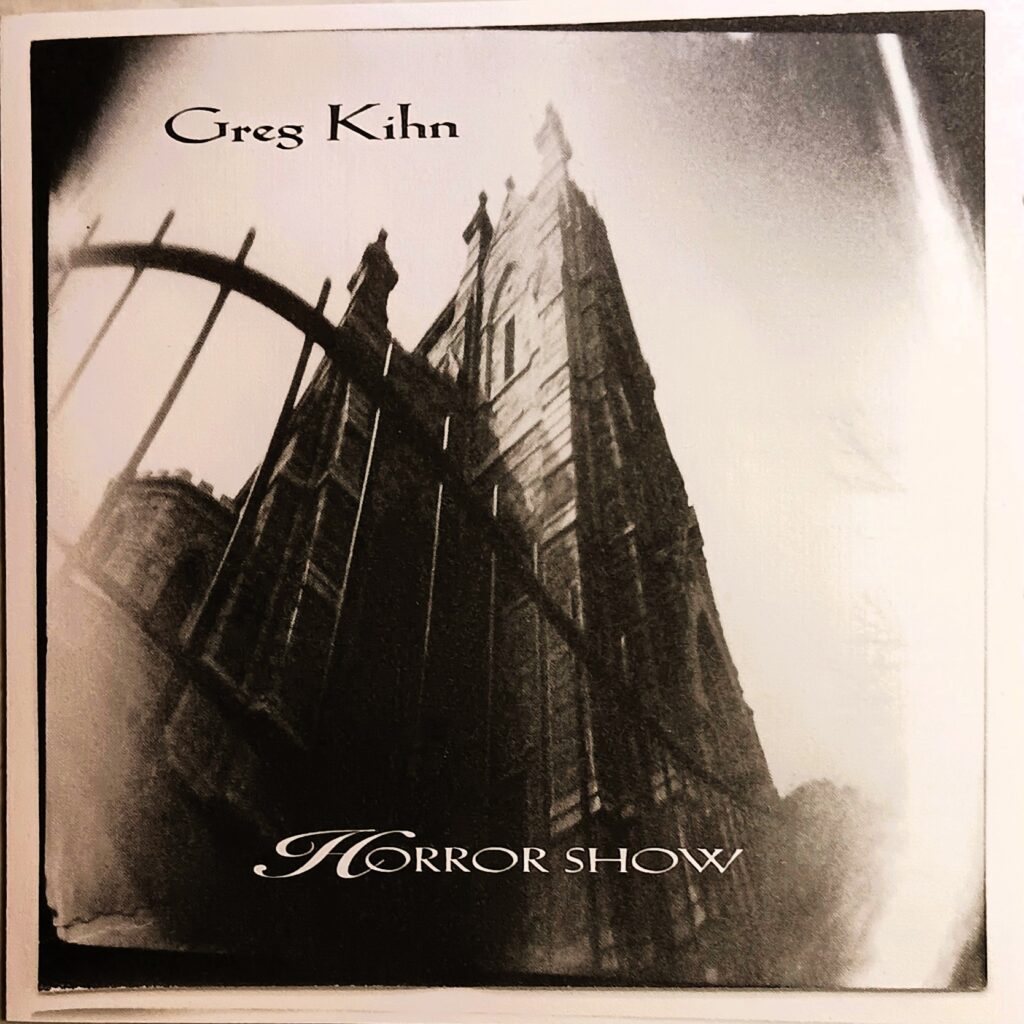
1996 (CD) Clean Cuts 716 Horror Show